
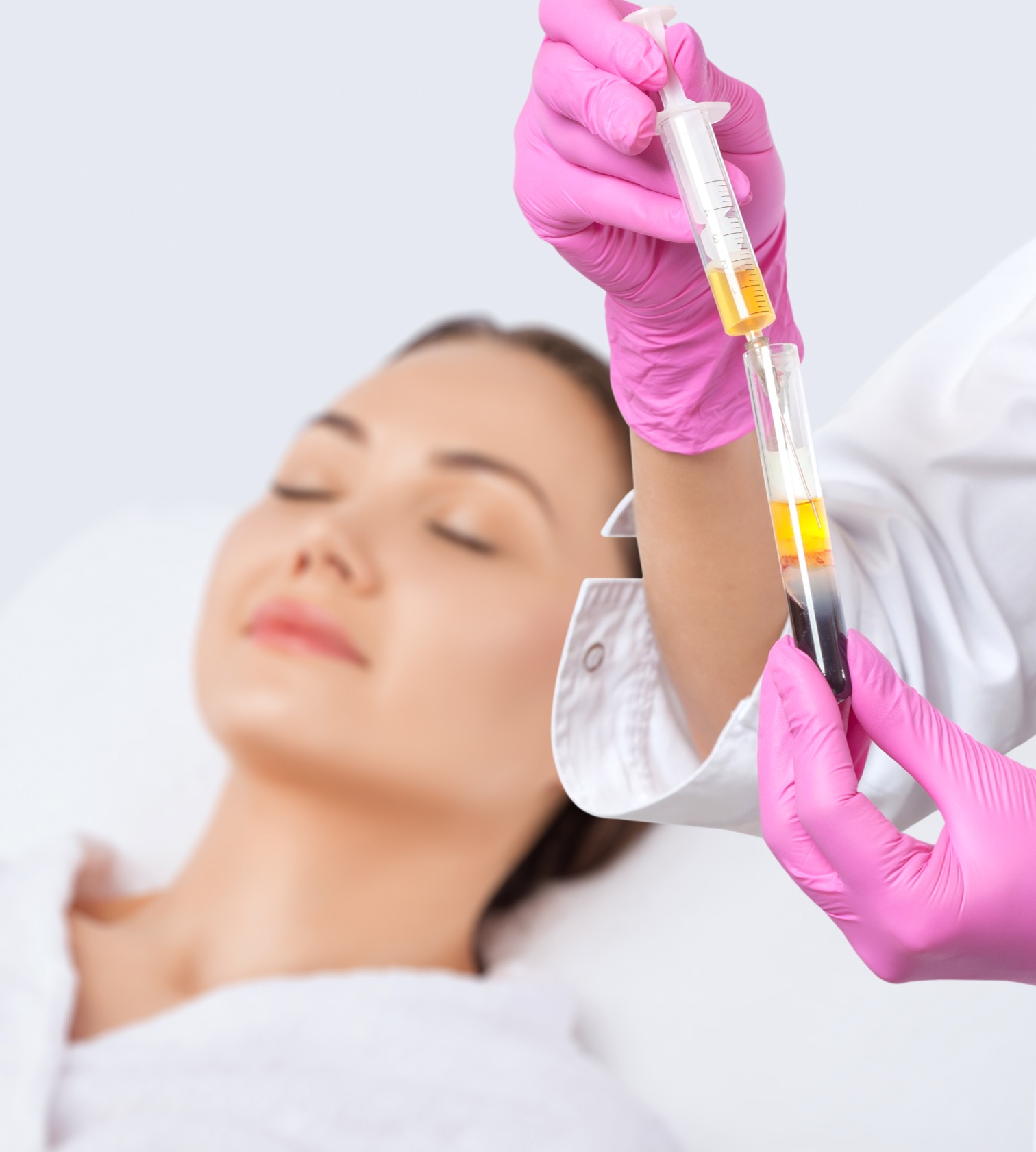
If you've spent any time researching skin rejuvenation treatments, you've probably come across the term "vampire facial." It sounds dramatic, but the science behind it is straightforward — and increasingly popular among people looking for a natural way to refresh their skin. That treatment is more formally known as a
PRP facial
, and it's one of the most requested services at medical spas today, including Nuderma Health & Medical Spa in Raleigh, NC.
Here's everything you need to know before booking one.
What Is a PRP Facial?
PRP stands for Platelet-Rich Plasma. It's a treatment that uses a concentrated portion of your own blood — specifically the platelets, which are packed with growth factors — to stimulate your skin's natural healing and collagen-building processes.
The process is simple in concept:
A small blood sample is drawn, similar to a routine lab draw.
The sample is spun in a centrifuge to separate the platelet-rich plasma from the rest of the blood.
That plasma is applied to the skin, typically alongside microneedling, so the growth factors can penetrate the tiny channels created in the skin's surface.
Because the treatment uses your own blood, the risk of allergic reaction or rejection is very low, which is part of why PRP has become such a trusted option in aesthetic medicine.
PRP Facial vs. Microneedling: What's the Difference?
Microneedling alone creates controlled micro-injuries in the skin, which trigger collagen and elastin production as the skin heals. A PRP facial takes that same foundation and adds a layer of growth factors directly into those micro-channels, which can accelerate healing and enhance results. Many providers, Nuderma included, offer microneedling with PRP as a combined treatment for exactly this reason — the two work synergistically rather than as separate steps.
What Does a PRP Facial Help With?
People typically turn to PRP facials to address:
Fine lines and wrinkles
— by boosting collagen production over time
Uneven skin texture
— smoothing rough or bumpy areas
Acne scarring
— softening the appearance of pitted or textured scars
Dullness and uneven tone
— restoring a brighter, more even complexion
Early signs of aging
— as a preventive step for skin that's just starting to lose elasticity
It's worth noting that PRP is not a single-treatment miracle. Most providers recommend a series of sessions, often spaced four to six weeks apart, with results building gradually as new collagen forms.
What to Expect During and After Treatment
A PRP facial session usually takes about 45 minutes to an hour, including the blood draw and processing time. Numbing cream is typically applied beforehand to minimize discomfort during microneedling.
Afterward, it's common to see redness similar to a mild sunburn for a day or two. Some patients notice slight swelling or minor bruising at the blood draw site. Most people return to normal activities the next day, though providers usually recommend avoiding makeup, sun exposure, and strenuous exercise for at least 24 hours.
Full results tend to develop over several weeks, as collagen remodeling is a gradual biological process — not an overnight change.
Why Choose a Medical Spa Like Nuderma for a PRP Facial
Because a PRP facial involves a blood draw and a medical-grade device, it should always be performed by trained professionals in a clean, controlled setting — not at a salon or by someone without proper certification.
Nuderma Health & Medical Spa in Raleigh offers PRP facials (including the popular PRP Vampire Facial) as part of a broader menu of skin rejuvenation services, alongside treatments like RF microneedling, dermal fillers, and Botox. Choosing a medical spa with a range of complementary services means your provider can help you figure out whether PRP alone is right for your skin, or whether pairing it with another treatment would get you closer to your goals.
Is a PRP Facial Right for You?
PRP facials tend to be a great fit for people who:
Want a natural, non-surgical approach to skin rejuvenation
Are looking to improve acne scarring or textural concerns
Want to address early signs of aging before considering more invasive options
Prefer treatments that use their own biological material rather than synthetic fillers
As with any cosmetic treatment, the best way to know if it's right for you is a consultation. A
qualified provider can assess your skin, discuss your goals, and map out a treatment plan
— whether that's a single PRP session or a series combined with other services.